

Can You Install Closed Cooling Onto an Older Marine Engine?
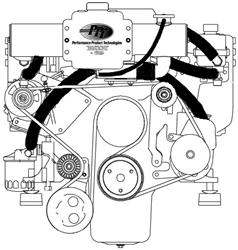
Topic: Closed Cooling System Installation Tip’s & Technical Boat Engine Advice
Question #1: Can I install a new Closed Cooling system on an older inboard or sterndrive boat engine? I’ve heard that the antifreeze will “Gel” due to a reaction with the salt and cause the system to somehow plug up.
Response: Although the potential does exist for this to happen, in our experience and extensive testing we’ve found very little evidence to support this theory versus the real-world results from not only our own engineering and design experience but also the feedback from numerous boat owners. Since 2002 we’ve sold and/or installed hundreds of MerCruiser Closed Cooling Systems onto older marine engines that had previously accumulated 100’s of hours operating in Salt Water, as well as selling and installing numerous closed cooling systems onto existing Volvo Penta and OMC boat engines since the late 1990’s. To date we’ve never had a single case where the effect of installing a new closed cooling system onto an older Marine Engine was severe enough that it prevented the system from functioning normally for the purpose it was originally installed; to cool and protect the engine.
However, to this day we still deal with a number of marine mechanics and boat owners on an annual basis who have heard “horror stories” and are totally convinced that installing closed cooling will cause problems. We acknowledge the fact that many people are convinced this is a major issue and WILL cause engine problems. However, based on 1st hand experience with both designing and installing these system we strongly encourage installing the closed systems on older engines for the intended purpose and benefits they provide.
Here are a few additional Closed Cooling System installation tips we’ve found to be very helpful when installing a closed system on an existing engine regardless of whether the boat was previously operated in Fresh Water or Salt Water.
- Flush out the boat engine by forcing water through the intake manifold thermostat seat, and allowing it to flow out of the engine water circulating pump inlet fitting.
- Install the select Closed Cooling System BUT do NOT initially assemble/install the thermostat. Instead take a small pair of panty hose and cut off the foot to make a small “Sock” type of debris filter. Before installing the water hose, first insert this sock/filter over the hose connection fitting on the heat exchanger inlet hose connection fitting. (This being the location where the water hose normally connects that allows the coolant flowing up and out of the engine/intake manifold back and into heat exchanger).
- Follow the normal cooling system fill instructions provided by the manufacturer and fill the system with straight TAP WATER.
- Run the boat engine on a water hose for a minimum of 30 minutes (not exceeding 2,000 rpm), then allow then engine to cool.
- Drain and remove the “Sock” filter, and discard the filter along with any debris that was collected when performing steps 3 & 4.
- Insert the thermostat as specified in the manufacturers instructions.
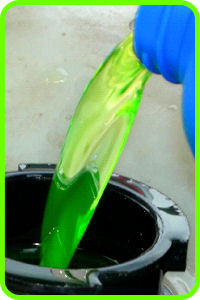
- Fill with antifreeze mixture per the supplied cooling system manufacturers instructions.
NOTE: Although we have not personally found enough evidence to justify this additional step, if you are still convinced this is “topic of concern” is going to cause a problem we recommend following the above procedure while flushing the system out with “Salt Away” to ensure maximum removal of existing salt buildup.